What I keep in my fridge and pantry

Sunday, January 30, 2011


A gluten-free, dairy-free (cow dairy, that is) lifestyle does not have to mean bare cabinets. Here are some essentials to help you and your family stay healthy without going hungry.
Veggies
  • Any fresh veggie is a healthy one- my favorites include broccoli, cauliflower, kale, collard greens, sweet potatoes, brussel sprouts, and zucchini. Zucchini and broccoli are Cece's favs.
  • Frozen peas, frozen broccoli, frozen spinach are must-haves when you run out of the fresh toward the end of the week. Add frozen spinach to ground meat, spaghetti sauce, and smoothies.
  • Avoid canned veggies- they are high in sodium and the cans can be lined with a harmful chemical called BPA.
Grains
  • Millet- cooks quick and delicious (nice substitute for couscous)
  • Amaranth- very high in protein
  • Quinoa
  • Brown rice, wild rice, and my favorite- FORBIDDEN rice!
  • Teff flour- good baking flour
  • Gluten free oats- make oatmeal or throw some oats in a food processor to make a flour
  • Brown rice pasta
  • Brown rice bread- tasty when toasted!
  • Brown rice tortillas- great for wraps and mexican burritos.
Oils/Fats- see previous post on "The Best Oils to Cook With"
  • Grapeseed oil- use this oil for high heat cooking
  • Olive oil- use this oil for salads and other cold items
  • Coconut oil- also use for high heat cooking
  • Organic Butter- yes, thats right, BUTTER...never margarine! Butter can be full of gut-loving butyric acid. Buying organic butter means there are no hormones or antibiotics.
  • Avocados
Fruit
  • Any fresh fruit is good. Deeply pigmented berries are some of the best source of antioxidants.
  • Frozen fruit is just as good as fresh. Great for adding to smoothies and to morning oatmeal.
  • Moderate amounts of dried fruits. I keep raisins on hand as an easy snack
  • Moderate amounts of freeze dried fruit. Again, this makes for a healthy snack with all the nutrients intact. But it can be a concentrated source of sugar.
Protein
Cow Dairy Substitutes
Snacks/Sweets
  • Protein bars- great for on the go and you need a little pick-me-up. I like Lara bars, especially the peanut butter cookie one.
  • Gluten free ginger snaps
  • Bar of dark chocolate
  • Blue corn tortilla chips
  • Roasted seaweed snacks (great for teething babies who put everything, including paper, in their mouth. They might as well be getting nutrition while doing this!
Misc
  • Salsa
  • Stevia as an alternative, natural sweetener
  • Maple syrup
  • Honey
  • Balsamic vinegar
  • Nutritional Yeast
  • Any and all herbal spices- I like thyme, oregano, dill, tarragon, and curry
  • Flax seed, ground- add to yogurt, salads, smoothies, and oatmeal.
  • Hemp protein powder- throw in your smoothie for a nutritional boost.
  • Braags Liquid Aminos- a nice soy sauce (contains wheat) alternative
  • Miso- add to soups and stews. It makes them DELECTABLE with an added bonus of probiotics (good bacteria colonized in your gut).

Functional Foods

Tuesday, January 4, 2011

One of my favorite sayings, "Let food be thy medicine and medicine be thy food," is getting renewed interest lately. Functional foods are defined as any healthy food claimed to have health-promoting or disease-preventing properties beyond the basic function of supplying energy or calories. Today, these foods tend to be processed and fortified with vitamins or minerals. An example of a popular functional food that has gotten some media coverage is Cheerios and its ability to lower cholesterol.

In 2009, the FDA said in a warning letter to General Mills that language on the Cheerios box suggests the cereal is designed to prevent or treat heart disease. Regulators said that only FDA-approved drugs are allowed to make such claims.

But there is in fact solid science behind soluble fiber and its ability to lower cholesterol, thus decreasing the risk o
f heart disease. Now, I am not proposing that everyone go out and eat Cheerios every morning. What I am proposing is that you consume soluble fiber from REAL food. And REAL food is what I call FUNCTIONAL foods due to their health promoting and disease-preventing properties.

FLAX

Flax is an excellen
t source of soluble fiber (you know, the kind of fiber found in cheerios). The soluble fiber found in flax can lower LDL cholesterol ("bad" cholesterol) AND can regulate blood sugar (ie. great for diabetes). In addition to soluble fiber, flax contains omega-3 fatty acids, which is anti-inflammatory. As if all this wasn't enough, flax seeds can help regulate a woman's menstrual cycle. A dosage of 2-4 tablespoons of ground flax everyday for the first 15 days of a woman's cycle promotes the estrogen dominant follicular phase. This is paired with 2-4 tablespoons of ground sunflower seeds for the second half of a woman's cycle to promote the progesterone dominant luteal phase. For ideas on how to incorporate more flax into your or your child's diet, see post on seeds.

FERMENTED FOODS

There ar
e ads all over tv for Activia yogurt, claiming to regulate your digestive tract within 2 weeks. Jaime Lee Curtiss does make a pretty convincing argument. It's true- probiotics ("good" bacteria) do wonders to your GI tract. However, I am arguing a better source of probiotics is in fermented foods. These foods include tempeh, kefir, sauerkraut, kombucha, and kimchi. See post on fermented foods for more info.

C
RUCIFEROUS VEGETABLES
These vegetables include broccoli, cabbage, kale, brussel sprouts, and cauliflower, and consumption of these veggies are linked to a decreased cancer risk AND the promotion of liver detoxification. Cruciferous vegetables contain a substance called indole-3 carbonyl, which promotes the
induction of phase I and II detoxification reactions. In other words, broccoli loves your liver! Indole-3 carbonyl may also reduce cancer risk by modulating estrogen metabolism. Translation- brussel sprouts makes your breasts happy!

I've said it before, and I'll say it again...it all comes down to eating REAL food. To me, a functional food is not sugar-laden yogurt in a green container with a catchy tune. Functional foods are foods that are natural, come from the earth, and are vibrant in color.


Cooking with Protein-Packed Nut Flours

Sunday, December 12, 2010


Baking with nut flours adds lots of satisfying protein and heart healthy fat to your baked goods in addition to cutting down on carbs. These muffins are low on the glycemic index (ie. diabetic friendly) and gluten-free! And one more bonus- they have veggies in them! Can't beat that!

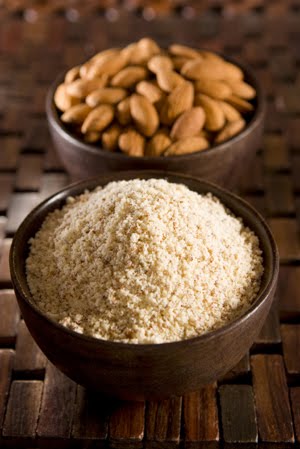
You can experiment with different nut flours- I used almond flour (also called almond meal) in these and they were delicious. Peanut flour is also readily available. I get both almond flour and peanut flour at Trader Joes. Be sure to store your nut flours (and any nuts or seeds for that matter) in the freezer due to the fragility of the fats. You don't want the nuts going rancid on you! See below how to make your own nut flours.

With just a hint of sweetness and lots of satisfying, blood-sugar stabilizing protein, they make for an ideal snack!

I doubled the batch and froze half. The first half of the batch was eaten in 2 days! And the second half is in the freezer ready to pull out as needed throughout the week.

Almond Zucchini Muffins

Dry Ingredients:

  • 2 cups Almond Flour
  • 1 tsp Baking Soda
  • ½ tsp Sea Salt
  • 1 tsp Cinnamon
  • 1 tsp Nutmeg

Wet Ingredients:

  • 2 ½ cups Shredded Zucchini
  • 2 Eggs
  • ¼ cup Grapeseed Oil
  • ½ cup Honey

Directions:

  1. Preheat oven to 350° F. Grease muffin pan.
  2. Mix dry ingredients together in a bowl.
  3. Mix wet ingredients together in a bowl.
  4. Add the dry ingredients to the wet ingredient bowl.
  5. Bake for 20 – 22 minutes or until done in the center.
Enjoy!

Other ways to use Nut Flours:
  • Use in place of flour when breading fish, tofu, or chicken.
  • Use in place of flour to make pancakes.
  • Add to smoothies or your breakfast cereal to add protein and fat to your breakfast. It'll keep you full longer!
  • Add to soups to thicken them and make them deliciously creamy.
  • Add to meat loaf or lentil loaf instead of bread.

How to Make Your Own Nut Flours:

This is so easy! You can use any nuts. The healthiest nuts are walnuts, almonds, cashews, pecans, brazil macadamias.

1. Pour frozen nuts (do not thaw first; always want to keep your nuts and seeds frozen) in small batches into your food processor, grinder, or blender, and process in pulses until the nuts are rendered into a relatively fine powder.

2. Check the flour after a second or two, stirring frequently. Because of the nuts' high oil content, nuts tend to form nut butter. The transition from nut to meal to flour to butter is rapid, so work in short bursts, checking often.

3. Due to the high fat content of flour made with nuts, it will spoil rapidly at room temperature. Store nut flours and meals in an air-tight container in the freezer. No need to thaw before using.

Read more: How to Make Nut Flour | eHow.com

Staying healthy for the cold and flu season

Sunday, December 5, 2010

Building a healthy terrain

Do you ever wonder why some people always tend to get sick but others who are exposed to the same microbes can successfully ward off illness?

This is because those individuals who do not get sick have a healthy terrain. An alternative view of illness is based on the terrain theory. It suggests that it is the internal strength or balance of an individual that protects or fails to protect him/her from illness. In preparation of the upcoming cold and flu season, there are some very basic yet effective things to do to build and support a healthy terrain.

First, support your body’s natural barriers (skin, GI tract, lungs, kidneys, and adrenal glands) to support a healthy immune system. Follow the tips below:

Skin- Perspiration is essential for ridding your body of toxins. Take a sauna and do not suppress a fever. Fever is your body’s way of fighting infection.

GI tract- Take a probiotic supplement or eat fermented foods, like kefir, tempeh, and yogurt. Probiotics are the “good” bacteria that will defend your body from the “bad” bacteria.

Lungs- Take 100 conscious deep breaths per day. Breathe in through your nose for 6 counts and out through your mouth for 8 counts.

Kidneys- Drink half your body weight in ounces of water each day.

Adrenal glands- Have a daily routine. Go to bed and rise at the same time every day.

In addition to supporting your body’s natural defenses, eat a healthy diet. Aim to fill half your plate with colorful vegetables. Fill the other half with lean meats and whole grains. Adequate rest and regular exercise are also key factors in building a healthy terrain.

Collard Wraps

Thursday, December 2, 2010


Are you gluten-free? Maybe trying to avoid carbs? Here is a delicious way to have a pseudo-sandwich and get a full serving of your greens in as well. No, the piece of romaine that you throw on your ham and cheese doesn't count as a full serving ;) . These are a great appetizer for parties or a good lunch entree when you have friends over for lunch. They are sure to impress (and so easy)! Good for kids too (toddlers and older- need to be able to chew well)!

Sunflower Seed Pate Collard Wraps

Ingredients
:
1 bunch of collard greens, stems cut off
1 cup sunflower seeds
any seasonings of your liking-thyme, dill, oregano, nutritional yeast, salt and pepper
1 tbsp lemon juice
1 avocado, sliced
3 carrots, shredded

Instructions:
1. Soak sunflower seeds in some water to cover them for 6-8 hours.
2. Drain the sunflower seeds of the water and throw in your food processor.
3. Add seasonings (i used dill, nutritional yeast, and salt and pepper) and lemon juice.
4. Blanch your collards in about an inch of boiling water for 1 minute (in a large saute pan). Remove from water and pat dry.
5. Fill collards with sunflower seed pate, avocado, and carrots on stem end of collards. Wrap like you would a burrito wrap.

Mushroom Walnut Pate Collard Wraps

Ingredients:
1 bunch of collard greens, stems cut off
1 tbsp olive oil
1/2 lb fresh mushrooms, sliced
1/2 lb firm tofu, crumbled
2 tbsp Braggs Liguid Aminos (or soy sauce or tamari)
1 red onion, finely chopped
2 cups walnuts
1/2 tsp cumin
2 tsps Nutritional yeast
1 avocado, sliced
3 carrots, shredded

Instructions
1. Cook onions in olive oil. Stir until translucent.
2. Add mushrooms, cover and cook for 3 mins. Uncover, cook until mushrooms are slightly
wilted.
3. Process in blender or food processor. Add remaining ingredients.
4. Blanch collards as above.
4. Fill collards with mushroom walnut pate, avocado and carrots. Wrap like you would a burrito wrap.

Power Smoothie

Wednesday, December 1, 2010


Is your little one hungry before bed? Maybe he didn't get enough protein today... Or it was a challenge to get him to eat his veggies today...if so, a green smoothie is the perfect "last snack." Try a smoothie packed full of nutrients that will keep your little one satisfied all night long. A much better choice than milk before bed! Here is a recipe we use, but feel free to play with it. You'll likely have extra after blending this all together so it makes a great snack for mama too!

I always keep frozen spinach on hand. I toss it in sauces, soups, hamburger meat, and SMOOTHIES! Trust me, your child will have no idea! The deep color of the berries will mask the green spinach. And with all the other goodness added to the smoothie, his taste buds will not be able to tell! Deceptively delicious!

Smoothie Recipe
  • 1/2 cup fresh or frozen organic berries (blueberries, raspberries, strawberries)
  • 1/2 banana
  • 1/4 cup frozen spinach (can also use fresh spinach or kale)
  • 1 tbsp ground seeds (flax or sunflower ground in coffee grinder- see previous post, "Give your child the seed of health."
  • 1 tbsp hemp protein powder or 1 tbsp almond butter
  • 1/2 cup unsweetened vanilla almond milk (or any other milk substitute-hemp, rice, soy)-you may need more than this, just keep adding more liquid until you reach desired consistency
  • Optional: 1 capsule of blue-green algae (Afa-gen). Just break open the capsule into the blender.
Blend and enjoy!

Avoiding Grains for the First Year

Monday, November 15, 2010

It is best to introduce solid food at 6 months. It is optimal to avoid grains and cow dairy for the first year of your child's life.

Why, you ask?

It really comes down to human physiology and anatomical (intestinal) development. Babies GI systems are immature. On a physical level, they are immature because they have wide gaps in between their cells lining their intestines. This is termed "leaky gut." Over time, the junctions start to narrow and eventually become tight gap junction. If you introduce food too early (before 6 months and some foods before 2 years of age), undigested food particles can cross the lining of the GI (through the gap junctions) and enter the blood stream. This then initiates an immune response that the baby's immune cells will start attacking food particles--> leading to allergies, both environmental and food.

On a more chemical or physiological level, babies have insufficient enzymes to digest food before 6 months (and again with some foods until 2 years of age). We know that humans do not start producing amylase (enzyme that breaks down carbs) until 2 years of age. This is why in the introduction to solids there is a delayed introduction of grains! Ironically, grains are often the first food that is introduced- rice cereal. We waited to introduce grains with Cece until 12 months (brown rice, quinoa, millet) and then wheat until 18 months.

Speaking of rice cereal, there are several reasons to avoid feeding it to your child as a first food:
1. see above- it a grain and insufficient enzyme production.
2. rice cereals are fortified with Iron, which is smart because at 6 months of age, the iron in mom's breastmilk is not enough for baby's needs. The baby's placenta stores of Iron is also insufficient by 6 months of age. Unfortunetely, it is a cheap, difficult to digest form of iron. This can cause GI distress. I suggest introducing a bioavaliable form (ie. form that baby can digest) of Iron, such as egg YOLKS (not whites until 12 months) and spinach combined. See my post on eggs to see how to make this. This was one of Cece's favorite first solids! Meat (lamb and grass fed beef) is also an appropriate form of Iron to introduce early on. Blackstrap molasses is also a good source of iron (mix with cooked apricots). Broccoli is also an excellent source of iron.

It all comes down to REAL FOOD. Feed your child a diet rich in vegetables, meat, beans, and fruit.

If you are curious about dairy, see my post on cow dairy vs. goat dairy. Goat is definitely the way to go!

Nature Nourishes Copyright © 2009 Designed by Ipietoon Blogger Template for Bie Blogger Template Vector by DaPino