The 4 R's for Optimal Gut Health

Saturday, September 4, 2010

The 4 R's for Optimal Gut Health
All disease begins in the gut. -Hippocrates

Constipated? Bloated? Nauseated? Diarrhea? Gas? Fatigue? Feeling blah? Poor immunity? Eczema? Acne? Migraines?
Do these words ring true to you? If so, your GI systems needs some attention.

60-90% of your immune system is concentrated in your gut mucosa.

Trust your gut and heal!


1. Remove- Remove the following highly inflammatory foods:
♦ Gluten
♦ Dairy
♦ Soy
♦ Corn
♦ Sugar

These foods can create inflammation in your gut lining, causing the loose junctions in between cells of the GI tract. This is termed as leaky gut. A leaky gut allows undigested food particles and other substances into the blood stream. This can lead to an array of Gi symptoms, such as gas, bloating, diarrhea, constipation, etc. In addition to GI symptoms, this can also cause other systemic conditions, such as fatigue and autoimmune conditions.
Remove these foods for a minimum of 4 weeks, and then re-introduce one food group at a time and monitor symptoms.

Another component to this step is a GI health panel. This is a test that looks for parasites or other pathogenic bugs that may be causing problems. Consult your Naturopath for more information.

2. Reinoculate-Your gut contains 100+ trillion viable bacteria with more than 40 different species. It is necessary to populate the gut with good or beneficial bacteria to out-crowd the bad or pathogenic bacteria. Take a probiotic with lactobacillus and bifidobacterium daily. Keep them in the refrigerator.

3. Replace- Once the gut has been cleaned up (through diet and probiotics), we want it to stay that way! To encourage an adequate amount of stomach acid, take 1-3 tsps of apple cider vinegar in water 15 minutes before meals. This allows for optimal absorption of vitamins and minerals from your food. See previous post on Apple Cider Vinegar.

4. Repair- A leaky gut needs some repair and rejuvenation. The following nutrients heal the GI tract by maintaining healthy gastric lining…thus keeping those toxic particles out of the blood stream:
♦ Licorice
♦ Glutamine
♦ Flavanoids
♦ Slippery Elm

An Apple a Day Keeps the Doctor Away

Sunday, July 25, 2010


For Centuries, people have been using apple cider vinegar as both food and medicine. Apple cider vinegar is used as an energizing tonic in addition to a natural remedy for many common ailments.

Apple cider vinegar is formed from the fermentation of apple juice to hard apple cider, followed by a second fermentation to apple cider vinegar. It retains all the nutritional benefits of the apples from which it was made along with the extra acids and enzymes produced during the two fermentation steps. It is the combination of these ingredients, which give apple cider vinegar its health benefits.

The best type of apple cider vinegar is made from cold pressed, organically grown whole apples – in which no chemicals or preservatives have been added, and which contains the “mother of vinegar.” The “mother of vinegar” is the natural gelatinous substance formed during the second fermentation step. It will settle to the bottom of the bottle so it is important to shake the bottle prior to pouring in order to obtain all the nutrients.

The health benefits of apple cider vinegar are numerous. Taking apple cider vinegar before meals stimulates stomach acid production, thereby improving digestion and absorption of nutrients. Apple cider vinegar also has antiseptic properties, deterring the growth of pathogenic bacteria and yeast. Apple cider vinegar contains pectin, a water-soluble fiber, which absorbs water, fat, toxins, and cholesterol in the digestive tract and removes them from the body. Its pectin content also helps improve glucose metabolism and lowers blood pressure. In addition to water-soluble fiber, apple cider vinegar contains insoluble fiber. This insoluble fiber aids in digestion and elimination, promoting regularity of bowel movements.

For maximum benefit, take 1-3 tsps of apple cider vinegar in 8 ounces of water 15-20 minutes before meals.

Consider making a delicious beverage out of apple cider vinegar. Combine 1-2 tsps apple cider vinegar with some honey, maple syrup or stevia in 8 oz of water.

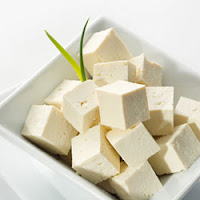
Deceptively Delicious Tofu Dishes


Tofu is a great vegetarian source of protein. But did you know that a half-cup serving of firm tofu contains about 227 mg of calcium or about 22% of the RDA? Dairy is not the only good source of calcium out there! It is also a good source of B vitamins, providing lots of usable energy for you all day long.

In addition to being great sources of protein, calcium, and B vitamins, tofu has profound cardiovascular benefits. Regular intake of soy protein can decrease total cholesterol by 30%, lower LDL (bad cholesterol) levels by as much as 35-40%, lower triglyceride levels, reduce the tendency of platelets to form blood clots, and possibly even raise levels of HDL (good cholesterol).

There is some controversy surrounding soy. Soy can be allergenic so be sure to delay introducing it to your little one until 12-18 months. Monitor any food allergy symptoms, such as diaper rash, runny nose, irritability, constipation or diarrhea. There is some debate as to whether or not soy causes hormone-sensitive cancers, such as enodmetrial, breast, and ovarian cancers, due to its estrogen-like components. This is problematic when soy is eaten in a highly processed form-such as added soy protein isolate to processed foods. Eat soy in its purest forms, such as edamame, tofu, and tempeh.

Be sure to buy organic tofu. Soybeans are one of the top genetically modified foods (along with corn, canola oil cottonseed oil, potatoes). Genetically modified foods not only wreak havoc with human health but also the health of the planet. You don't want your kids to be round-up ready, do you?


Indian Curry Tofu Salad

This salad is similar to an egg salad.

Ingredients
  • 4 tablespoons plain yogurt
  • 2 tablespoons organic mayonnaise or vegannaise
  • 2 tablespoons mango chutney
  • 3 teaspoons curry powder
  • 1/2 teaspoon salt
  • Freshly ground pepper, to taste
  • 1 14-ounce package extra-firm water-packed tofu drained and finely crumbled
  • 2 stalks celery, diced
  • 1 cup red grapes, sliced in half
  • 1/4 cup chopped cashews
Combine the yogurt, mayo, chutney, curry powder, salt and pepper in a bowl. Stir in tofu, celery, grapes, and cashews. Serve over a bed of lettuce or in a whole grain wrap as a sandwich. Try pairing it with my forbidden rice recipe (Sweet n' Savory Forbidden Rice).

Interested in tofu but not sure how to prepare it? Or maybe you enjoy it but can't get your family to touch it. Below are some recipes the whole family is sure to enjoy!

Peanut Butter Tofu
This is one of Cece's favs! This dish is how I got my husband hooked on tofu. It is baked tofu so it has a chewy texture with a delicious spicy peanut butter sauce to accompany it.

Ingredients
  • 1 lb tofu, cut in 1/4 inch length-wise slices.*
  • 1/2 cup peanut butter (can also use almond, cashew or sunflower seed butter)
  • 2-3 tbsp tamari sauce (or soy or Braags liquid aminos)
  • 1 tbsp honey
  • 1/2 cup water
  • 1 tsp lemon juice
  • 3 cloves garlic, minced
  • 1/4 tsp cayenne pepper (optional)
*After you cut the slices, be sure to apply paper towels to the individual slices to drain the water from them. Try to make them as dry as possible.

Instructions

1. Preheat oven to 350 F. Bake tofu slices for 25 mins.
2. Blend remaining ingredients.
3. take tofu out of oven and flip them. Pour peanut butter sauce over tofu and bake another 15 minutes.

Serve over a bed of brown rice and a side of broccoli.

Mushroom Walnut Pate
This dip is perfect for entertaining. Serve with crispy bread or raw vegetables.

Ingredients:
-1 tbsp olive oil
-1/2 lb fresh mushrooms, sliced
-1/2 lb firm tofu, crumbled
-2 tbsp Braggs Liguid Aminos (or soy sauce or tamari)
-1 red onion, finely chopped
-2 cups walnuts
-1/2 tsp cumin
-2 tsps Nutritional yeast

Instructions
Cook onions in olive oil. Stir until translucent. Add mushrooms, cover
and cook for 3 mins. Uncover, cook until mushrooms are slightly
wilted. Process in blender or food processor. Add remaining
ingredients. Refrigerate for 1 hour before serving.

Chocolate Pudding
(18 months and up)
This is a delicious, guilt-free desert! And so easy- takes less than 5 mins to prepare! It is a great last snack before bed because it is protein-packed and will balance blood sugar throughout the night.
Ingredients:
1 package (12 oz) of silken tofu
1/4 cup unsweetened cocoa powder
2 tbsps maple syrup
Instructions:
Combine all ingredients in a food processor and blend until smooth. Chill for 1 hr. Top with fresh strawberries. Add more maple syrup if sweeter taste is desired.

Vanilla Pudding Parfait
This is a good recipe for your little one to get involved. Prepare the vanilla pudding and then have him/her help you make stacked layers of pudding with berries.

Ingredients:
1 package (12 oz) of silken tofu
1 tbsp vanilla extract
2 tbsps maple syrup
2 cups fresh or frozen berries (strawberries, blueberries, raspberries, blackberries)
1/2 cup chopped walnuts (optional)
Instructions:
Combine tofu, vanilla and maple syrup in food processor and blend until smooth. Chill for 1 hr. In glass cups, make alternating layers of pudding and berries. Top with chopped walnuts.

Healthy Toppers

Saturday, July 3, 2010


Need a boost? Top your food with these items and turn your food from just so-so to super!
1. Ground flax seed- Add 1-2 tbsps to your favorite soups, salads, sauces, yogurt, oatmeal and cereal. Grind them in a coffee grinder to get the super health benefits!

Flaxseeds can be considered a “Super Food” for their high content of Alpha-linolenic acid (ALA), a precursor to omega-3 fatty acids, such as eicosapentaenoic acid (EPA) and docosahexaenoic acid (DHA) (Mayo Clinic, 2009). Omega-3 fatty acids are essential. In other words, the human body cannot synthesize them so they must be obtained from the diet. They are involved in many physiologic processes, and a deficiency of them is a factor is many chronic conditions. (Mahan and Stump, 2004).

Flaxseeds can be readily found in the grocery store as whole seeds, ground seeds, and mixed into other various foods, such as crackers, breads, muffins, and cereals. Whole flaxseeds pass right through one’s digestive tract, acting as a source of fiber. By eating ground flaxseeds, one can utilize the omega-3 fatty acid content. Flaxseeds are a source of polyunsaturated fatty acids and are therefore susceptible to oxidation, or rancidity. To prevent flaxseeds from becoming rancid, they should be stored in the freezer.

Not only do they add a nice texture to foods, but they are also used therapeutically for many different health conditions. Flaxseeds have a high phytoestrogen content and can be used to lower serum levels of sex hormones, especially in overweight and obese women (Sturgeon & Heersink, 2008). Ground flaxseeds have also been found to significantly reduce the frequency of hot flashes (Pruthi & Thompson, 2007).

Ground flaxseeds have also been found to reduce the risk of chronic disease, such as Cardiovascular disease and type 2 diabetes. Flaxseeds can lower LDL cholesterol. In addition, they reduce Lipoprotein A and improve insulin sensitivity in hyperlipidemic adults (Bloedon & Balikai, 2008). They have also been shown to have an effect on diabetes. In a study published in the British Journal of Nutrition, flaxseeds were found to reduce C-reactive protein, thus decreasing inflammation, in type 2 diabetics (Pan and Demark-Wahnefried, 2008).

While flaxseeds are considered to be a “Super Food” for their many health benefits, they must be converted to EPA and DHA, and not all individuals are efficient converters. Therefore, fish oil, rich in EPA and DHA, may be a better source of omega 3 fatty acids.


2. Nutritional Yeast- Add up to 1 tbsp to soups, veggies, potatoes, scrambled eggs, tofu, beans, casseroles, and whole grains.

It is an inactive yeast so it is not going to make your bread rise (no active enzymes). But it will give you and your child an extra boost of energy, for its an excellent vegetarian source of vitamin B12. It is also rich in protein! It is yellow in color and is tremendously delicious- has a nutty and cheesy flavor. You can find it in the bulk food section of your grocery store. It comes in a flake or powder form. Think of it as a parmesan cheese substitute.

Although you and your family may be eating a well balanced diet, it is often difficult to get all the vitamins and minerals that your bodies need. This is an excellent way to get those vitamins in a non-pill, food-like form. You can find this in the natural food section of any grocery store (in the bulk section).


3. Brewer's yeast-
Add up to 1 tbsp to soups, veggies, eggs, casseroles, and whole grains.

Brewer's yeast is made from the fungus, Saccharomyces cerevisiae, and is traditionally used to make beer. Brewer's yeast is a good source of vitamins and minerals, specifically chromium, selenium, and B vitamins. It also contains protein!

The B-complex vitamins in brewer's yeast include B1 (thiamine), B2 (riboflavin), B3 (niacin), B5 (pantothenic acid), B6 (pyridoxine), B9 (folic acid), and H or B7 (biotin). These vitamins help break down carbohydrates, fats, and proteins, which provide the body with energy. They also support the nervous system, help maintain the muscles used for digestion, and keep skin, hair, eyes, mouth, and liver healthy.

The bitterness of brewer's yeast helps stimulate stomach acid. Stomach acid, or HCl, aids in the absorption of your food.

Brewer's yeast can often be confused with nutritional yeast. However, it is much more bitter than nutritional yeast (which has more of a cheesy flavor). Your kids will undoubtly love nutritional yeast, while more mature taste buds will appreciate brewer's yeast.


4. Plain Goat Yogurt-
Add a generous dollop to spicy dishes like dahl, chili, soups, and brown rice. Add to smoothies too!

Think of this as a substitute for sour cream. See previous December post on goat's vs. cow's milk.


5. Ground Sunflower Seeds-
Add 1-2 tbsps to yogurt, smoothies, and salads. Will nicely thicken soups.

Sunflower seeds are a good source of Omega-6 fatty acids. They are high in Vitamin E, giving your skin a beautiful radiance. They are also high in Selenium and Copper, preventing chronic disease. In addition, they are a good source of Zinc, supporting a healthy immune system and promoting skin health.

6. Kelp-
Add 1/2-1 tsp to soft boiled eggs, scrambled eggs, soups, stir-fries, and beans.

Kelp is a form of seaweed. You can find it dried/powdered in the bulk section of your health food store (where the spices are). Kelp is rich in Iodine, vitamin E, Iron, Calcium, and B vitamins. It can be used in place of salt due to its savory flavor. I mix it in with Cece's eggs and she devours it!

Veggie Pancakes

Wednesday, May 19, 2010

These vegetable pancakes are like hash browns, but are filled with so much goodness. Unlike potatoes, these patties will not spike your glucose (ie. lower on the glycemic index). They are colorful, meaning they are rich in antioxidants. Always aim to eat lots of colorful foods-like sweet potatoes, blueberries, collard greens, rainbow chard, and raspberries. The whole family is sure to love these!

Vegetable Pancakes

Makes 4 servings

Ingredients:
1/2 cup grated carrots*
1 cup grated zucchini*
1 cup cooked spinach*
1/2 onion, finely chopped
2 cloves garlic
1 egg
1/4 cup brown rice flour (or any other gluten free flour)
1/4 tsp salt
1/4 tsp cracked brown pepper
1/2 tsp dried oregano
1/2 tsp dried thyme
2-3 tbsps olive oil


*You can virtually use any vegetable. Other ideas include chopped mushrooms, shredded cabbage, or cooked kale.

Instructions:
1. Heat the oven to 275 F. Chop the onion and sauté with a little bit of olive oil and garlic. Grate the vegetables by hand or in food processor. Mix together the vegetables, cooked onion, egg, and 1/4 cup of the flour. Add salt and pepper and spices. Add a little more flour if the mixture isn't holding together.

2. Put a little oil in a large skillet over med-high heat. When the oil is hot, drop in spoonfuls of the batter, using a fork to spread the vegetables into an even layer, then press down a bit. Add more oil to the pan when needed and work in batches. Cook, turning once, until nicely browned on both sides, about 5 minutes. Serve hot over a bed of salad greens. Top with your favorite dressing or salsa. To complete the meal, serve with fish on the side.

These vegetable pancakes are like hash browns, but are filled with so much goodness. Unlike potatoes, these patties will not spike your glucose (ie. lower on the glycemic index). They are colorful, meaning they are rich in antioxidants. Always aim to eat lots of colorful foods-like sweet potatoes, blueberries, collard greens, rainbow chard, and raspberries. The whole family is sure to love these!

Sweet n' Savory Forbidden Rice

Tuesday, May 4, 2010

Forbidden rice is a black rice from Asia rich in both taste and nutritional value. It is so named because it was considered the Chinese Emperor's rice, and anyone else was forbidden to eat it. It has a rich, nutty flavor.

Forbidden rice is a nutritional power house. It is full of minerals, specifically Iron, and also a good source of fiber so it will keep you feeling full longer. When cooked, it turns a deep purple color, revealing its anthocyanin content. Anthocyanins are a type of flavonoids, plant pigments that have been found to have prominent health benefits. Some of the health benefits include protection against cancer, allergies, inflammation, heart disease and diabetes. Other excellent sources of anthocyanins are deeply pigmented berries, like blueberries, blackberries, and raspberries.

Just a note about forbidden rice- it will not get really soft, but rather it will have a chewy texture.

Sweet n' Savory Forbidden Rice
Ingredients:
  • 1 cup forbidden (aka black) rice
  • 1 can coconut milk
  • 1 cup veggie broth
  • 1/2 cup raisins
  • 1 tbsp ground turmeric
  • 1 tsp cumin
  • 1/2 tsp red chili flakes
  • 1 tsp coriander
  • 2 tsps fresh grated ginger
  • 1/2 cup raw cashews
  • salt, pepper
  • cilantro (optional) as garnish
Instructions:

In a medium saucepan, bring coconut milk and broth to a boil. Add rice and seasonings and turn heat to low. Cover. Cook for 20 minutes and then add raisins. Cook for another 20 minutes (until rice is soft). Add cashews and garnish with cilantro.

Why Eat Organic Eggs?

Friday, April 30, 2010


In the past, eggs have gotten a bad rap for being too high in cholesterol. People started eating egg whites, making chemical-laden egg beater omlettes or avoiding them all together. However, eggs can be one of the healthiest foods you feed yourself and your family.


The Importance of Cholesterol

Cholesterol plays a vital role in the development of hormones. It is also necessary for proper brain health. The majority of the brain is comprised of fat and cholesterol. When cholesterol is severely restricted, memory and cognition can be compromised. Cholesterol also lubricates cells, allowing communication among them to be more efficient.


Amino Acids

Eggs contain all essential amino acids. Amino acids are the building block of protein in our bodies. In children, these amino acids are essential for proper growth and development. In adults, proper amino acid intake is essential to neurotransmitter balance. For example, if one is not getting enough amino acids through food, they are unable to make Serotonin, our body’s feel good chemical. Depression is not a Paxil deficiency but rather an amino acid deficiency.


Here are some tips and recipes for enjoying the incredible edible:

1. Buy free range, organic eggs. Organic eggs are higher in vital nutrients as compared to non-organic eggs. They are an excellent source of vitamins A, D, B12, Niacin, and Folate.

They are also rich in the carotenoids, lutein and zeaxanthin, reducing your risk of cataracts and macular degeneration.

In addition, they are a good source of choline, a nutrient that allows for proper communication between nerve cells and regular cells in your body. Recent research has found choline to be associated with many positive outcomes for both mama and baby including reduced risks of birth defects and improved memory.

And yes there is more...organic eggs have significant higher levels of omega 3 fatty acids, which will promote optimal brain health.

Not only are organic eggs healthier, but they are so much prettier! The yolk is so much brighter, almost an orange color. Crack open a non-organic egg and an organic egg side by side. You'll be surprised at how much brighter yellow the yolk is in the organic egg. It's visibly healthier for you! See the pic- the organic egg is on the right, the conventional one on the left.

Check out this site for more info on the superb nutrient benefits of organic foods. http://www.ota.com/organic/benefits/nutrition.html


2. Avoid egg whites in children under the age of 12 months. Egg yolks are an ideal brain food for your baby. The whites, however, can be highly allergenic. Whites are high in protein, and your baby can develop an allergy to this protein if its introduced too early.


3. Eggs with a runny yolk is one of the best ways to eat them. When the yolk is runny, the cholesterol has not been exposed to high heat and is therefore unoxidized. Oxidized cholesterol can create free radicals in the body and can be a risk factor for heart disease. That being said, if you are going to eat eggs cooked at higher heat (like hard-boiled), that's okay on a irregular basis. Just don't eat them everyday. Hard boiled eggs are a good on-the-go protein-packed snack. Better than a candy bar or a bag of chips!


Recipes:


Spinach n’ Yolk (suitable for 6 months and beyond)

Hard boil an egg. Once the eggs are boiled, throw the yolk (either throw out the white or you can eat it) in with a pan full of steamed spinach. Mix until smooth consistency. May need to add a little water or your expressed milk to the mixture to make it to make it runnier. You can add nutritional yeast or powdered kelp* for an extra nutrition boost.


Kelp n’ Egg
(suitable for 12 months and beyond, contains yolk)

Soft boil an egg for 4 minutes. Peel and add soft yolk and white to a bowl. Add a tsp of dried kelp* and stir. Cece’s favorite snack!


Easy Pesto and Goat Cheese Frittata (suitable for 12 months and beyond)

Ingredients:

4-5 eggs
1 cup vegetables of your choice (I like to use spinach or kale, mushrooms and steamed broccoli)
2 tbsps unsweetened almond milk
3 tbsps pesto
1 cup goat cheese
Salt and pepper

Preheat oven to 350 F. Combine all ingredients in a bowl and whisk together. Pour in a greased pie pan. Bake for 35-45 mins.


*Powdered kelp is available at any health food store in the bulk spice section.

Nature Nourishes Copyright © 2009 Designed by Ipietoon Blogger Template for Bie Blogger Template Vector by DaPino